Activities
The memorial lecture, our scholarships, and the events that carry the work forward
Every year the Foundation brings scholars, legislators and the public together to keep Rajeshwara Rao and Lalita Devi’s record of service in active, critical view — not as hagiography, but as a subject for study.
Open annually
Research scholarship
Our concrete mission is to organise historical education about the Telangana Freedom Struggle, and to support critical research and initiatives on innovative, sustainable policy for a more prosperous Telangana, India, and world. The Foundation also functions as a platform for debate on the pressing political and social issues of our time.
Karimnagar district
School & junior college prize
Awarded to a group project by school or junior college students, especially in Vemulawada and Sircilla, that engages stakeholders and raises awareness on a genuine local issue.
17 February 2024 · Hyderabad
Leaders like Rajeshwara Rao have become all too rare
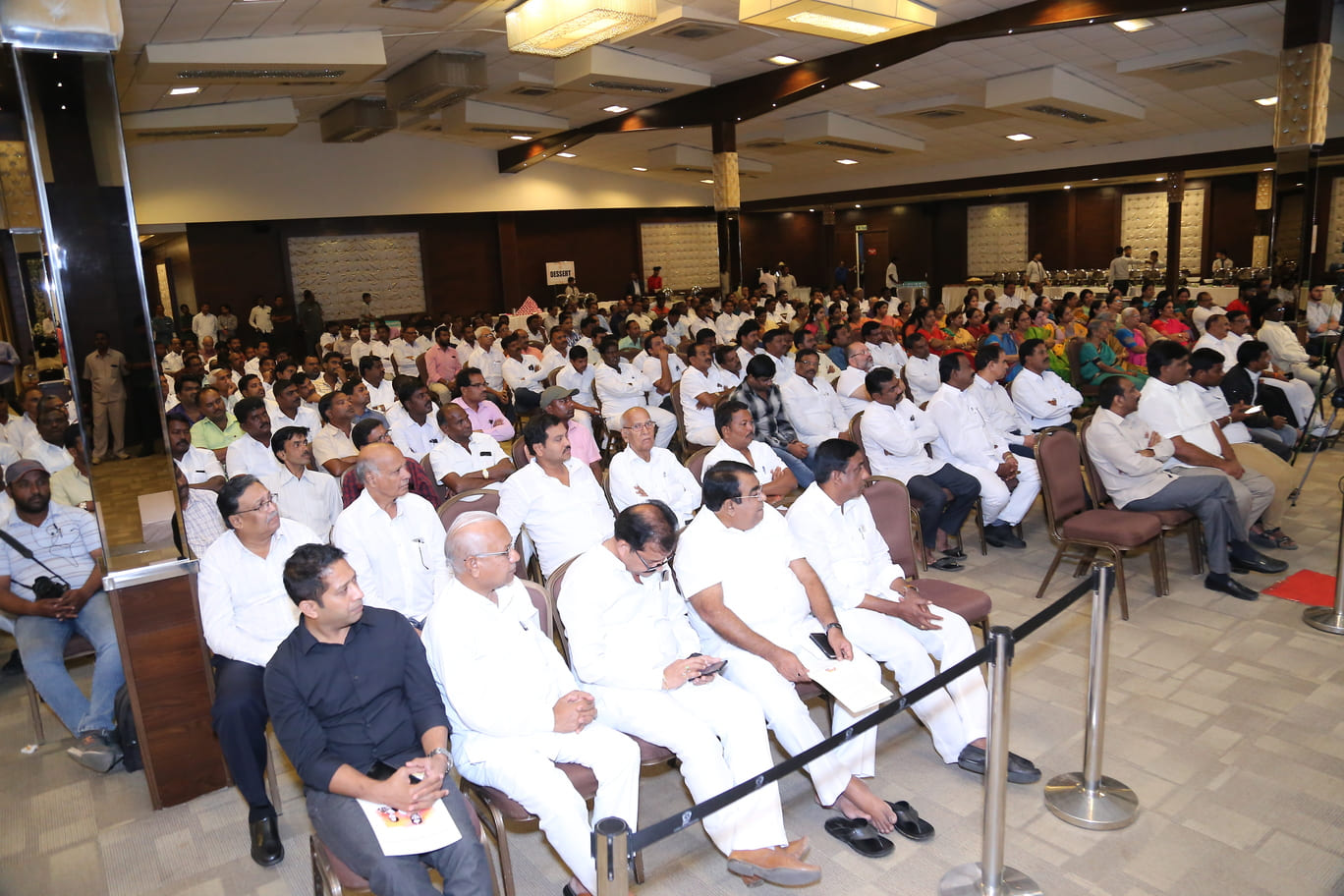
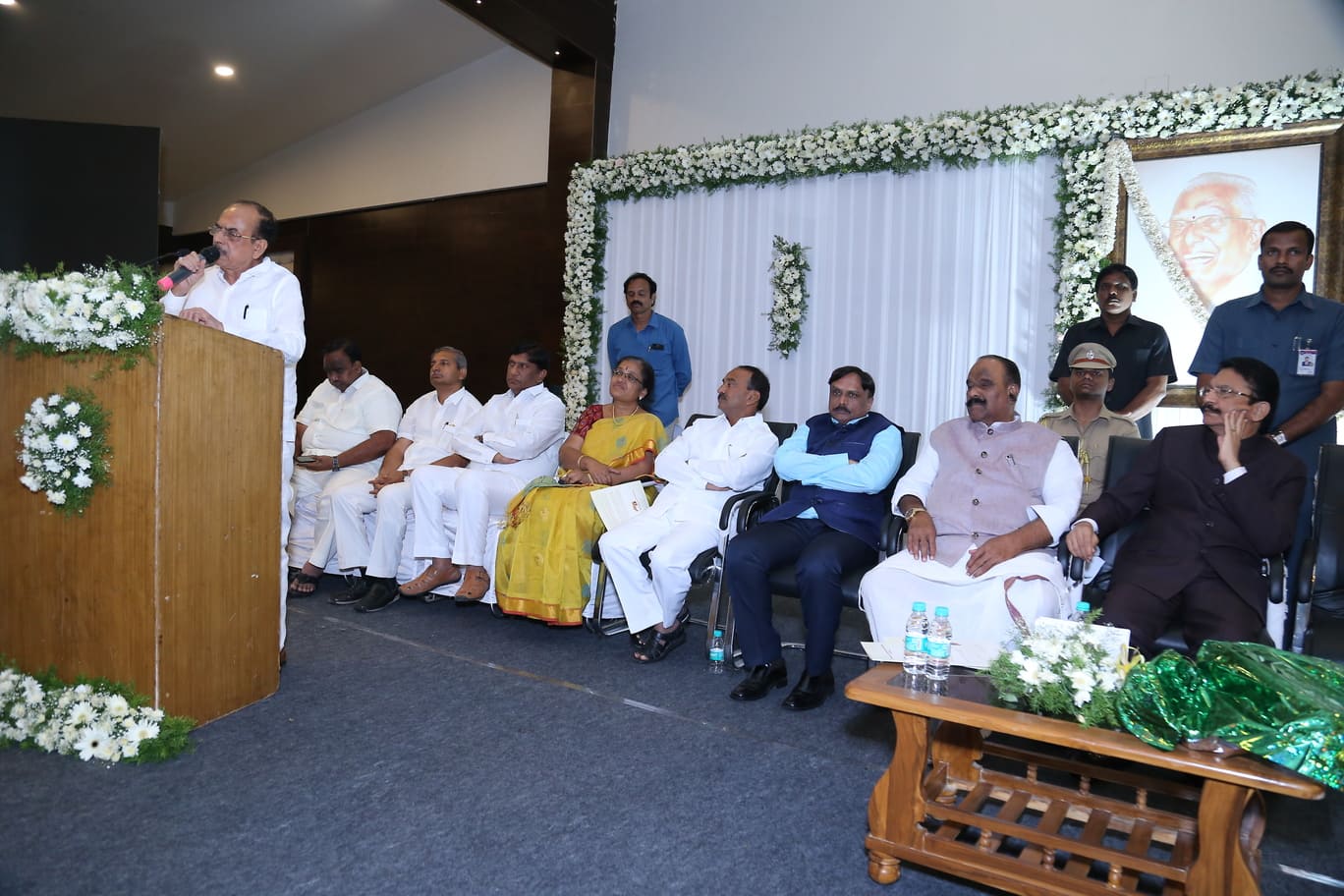
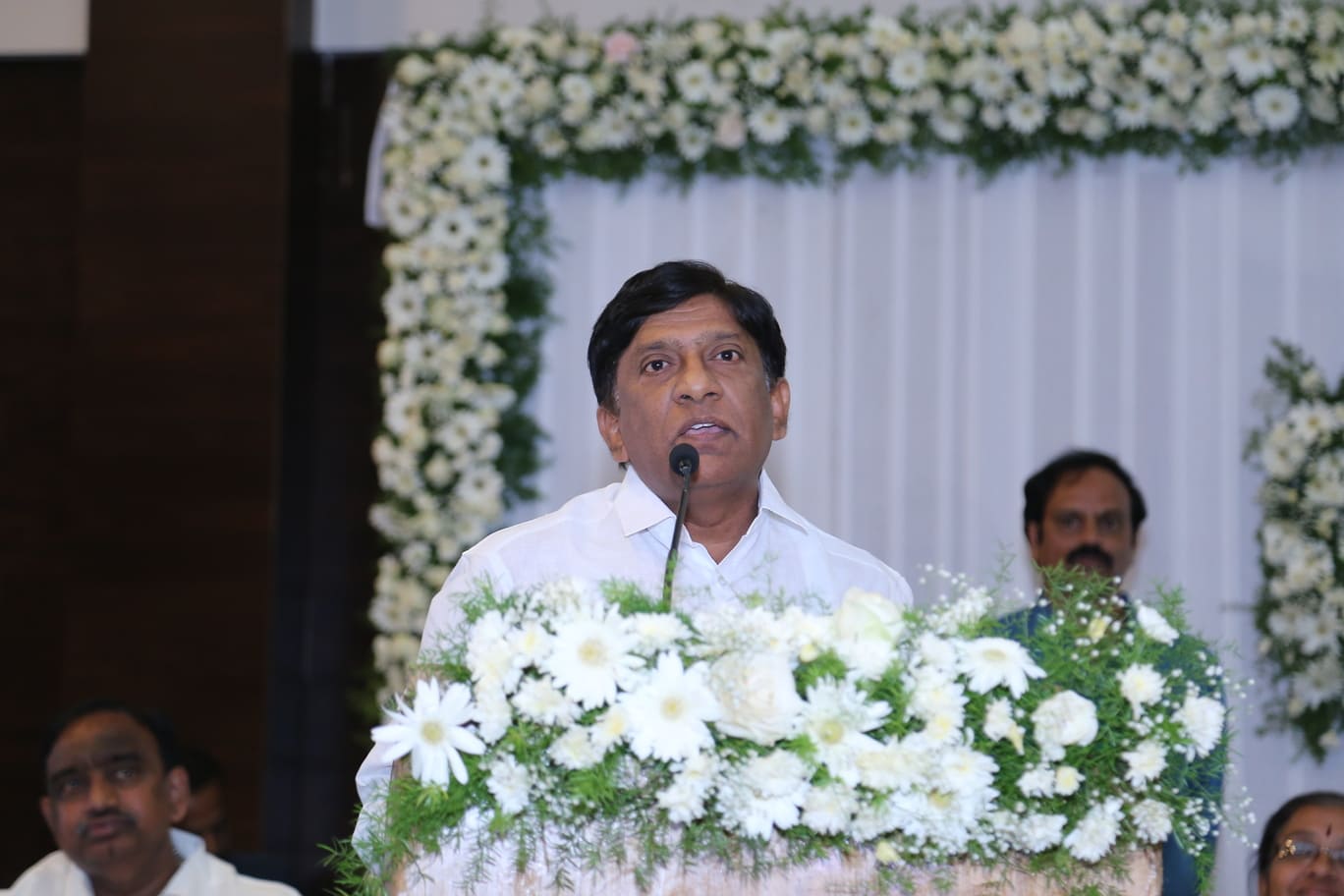
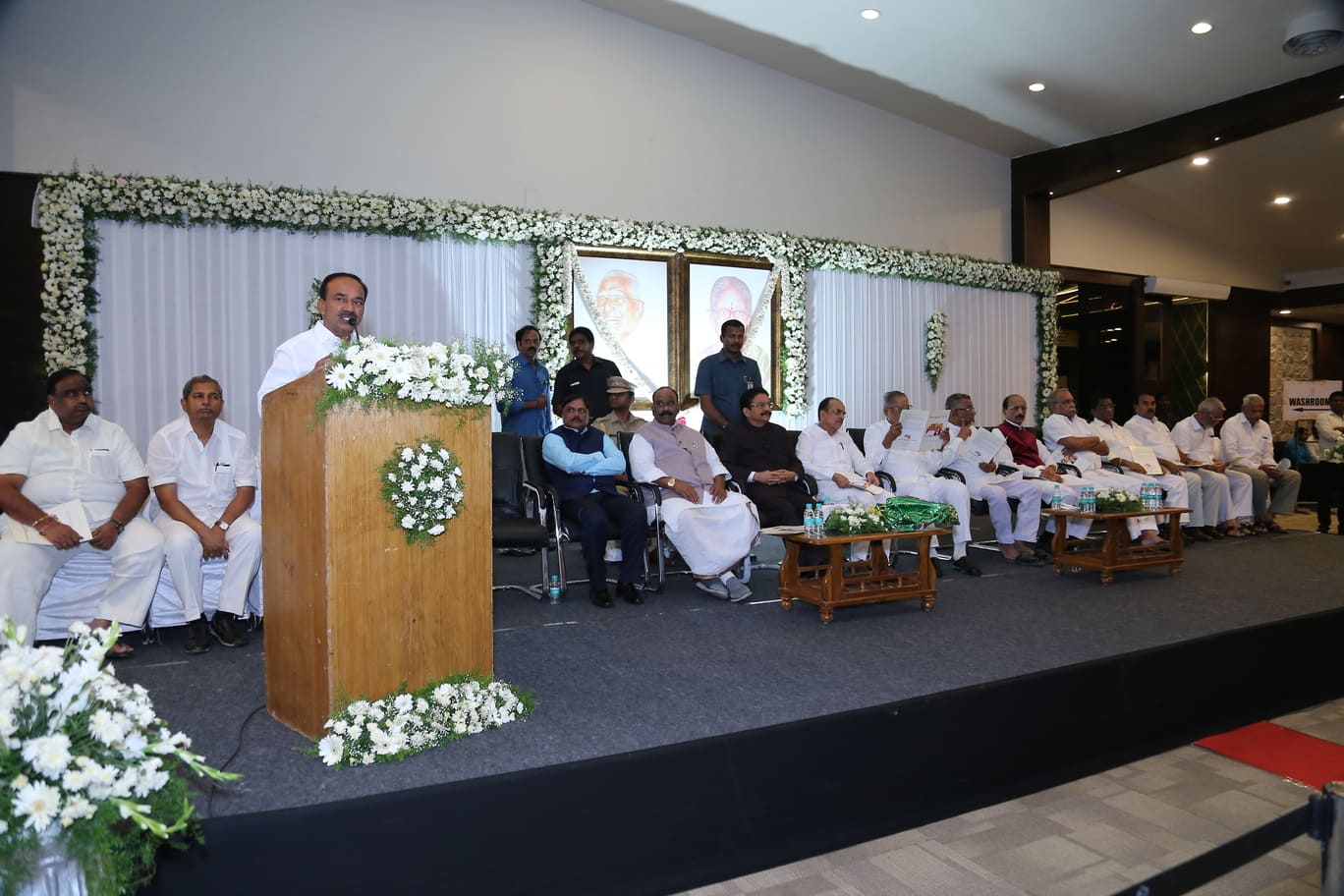
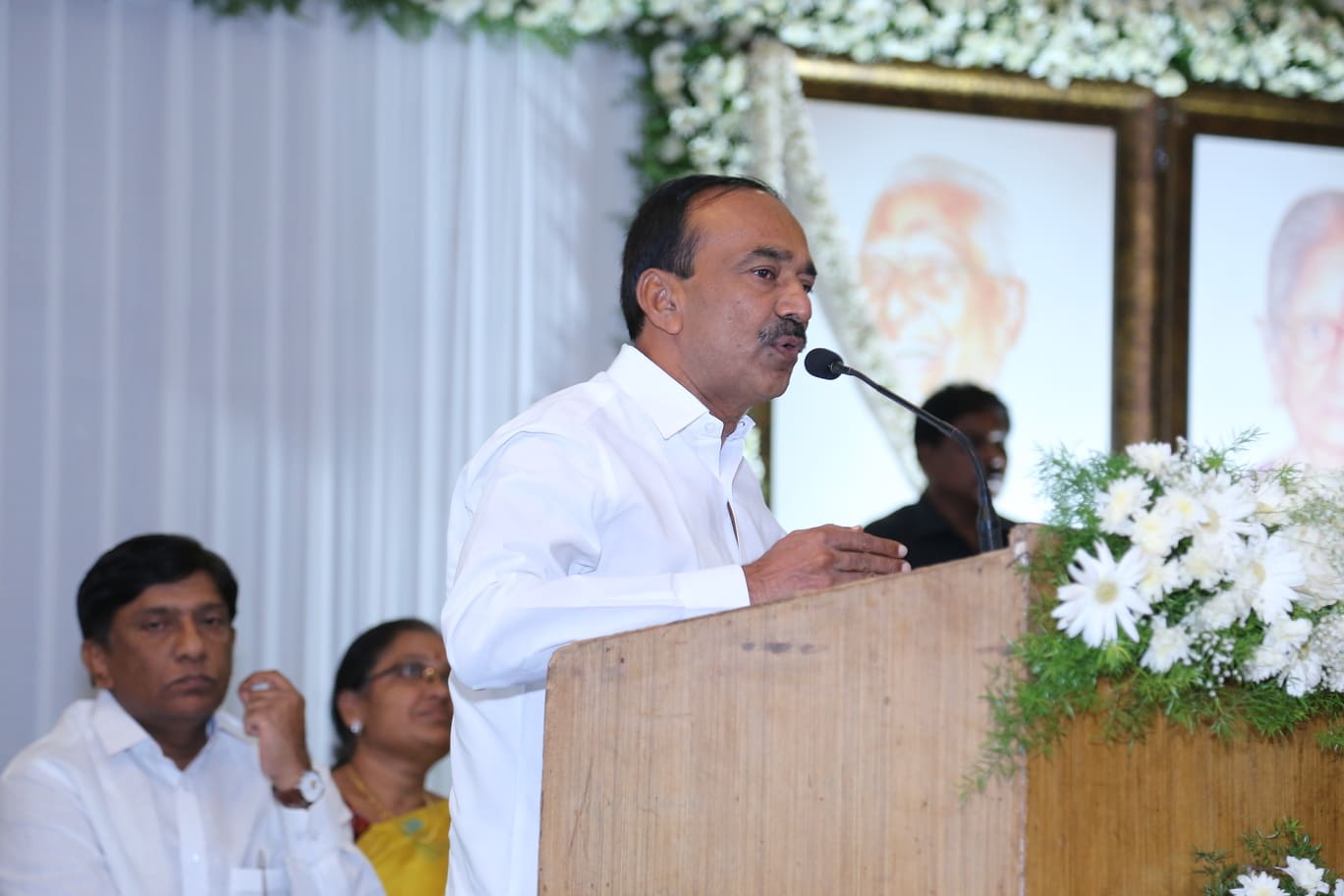
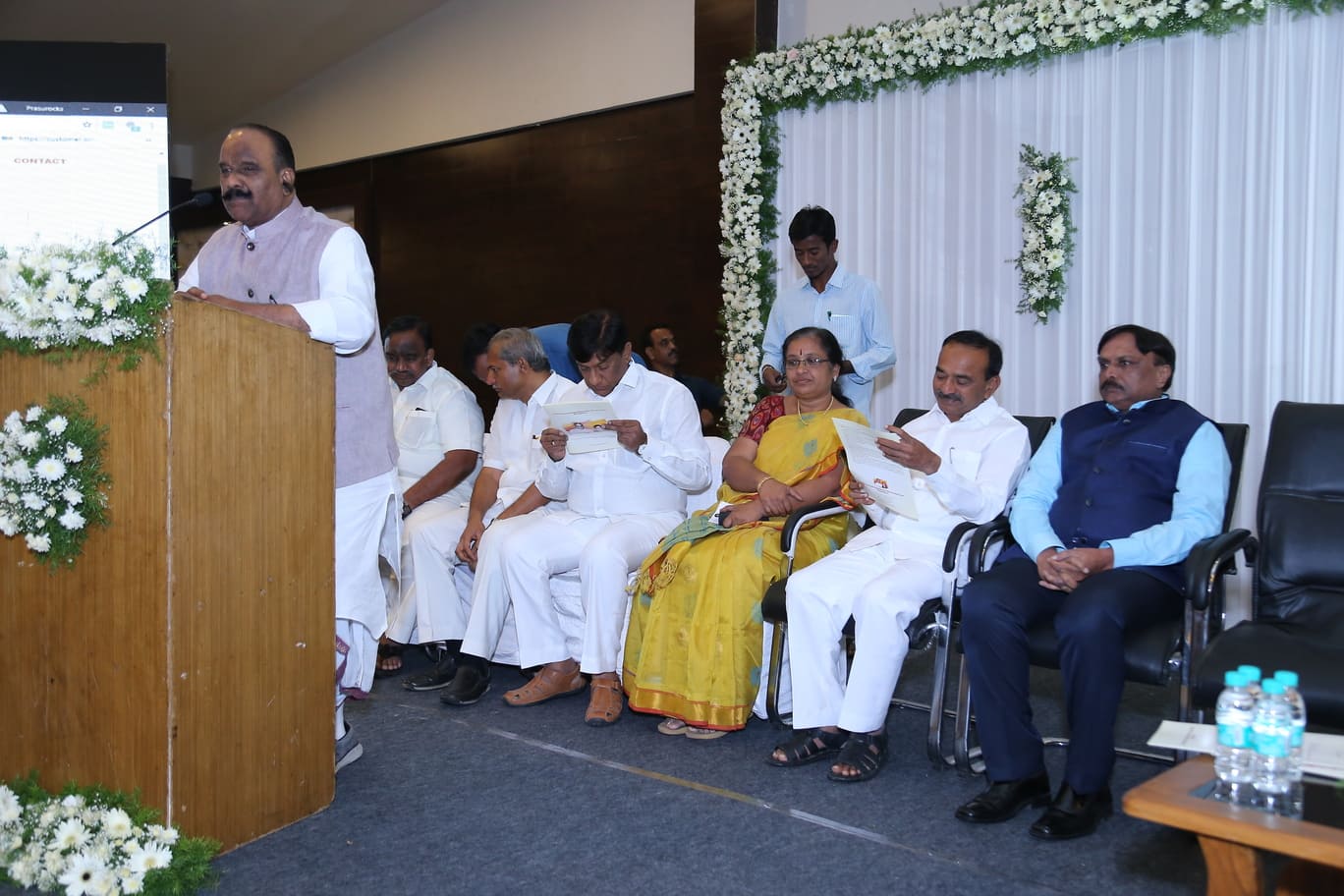
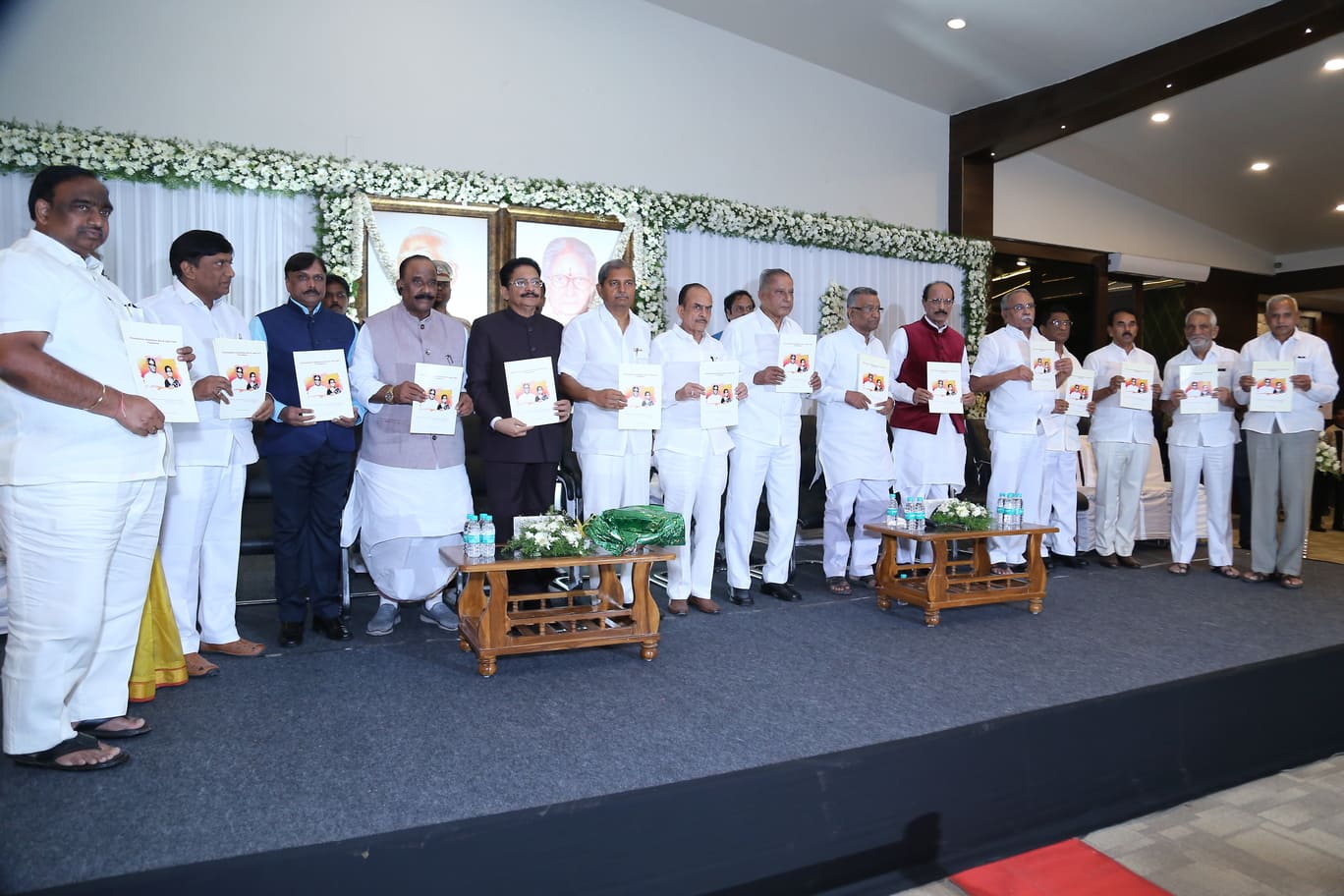
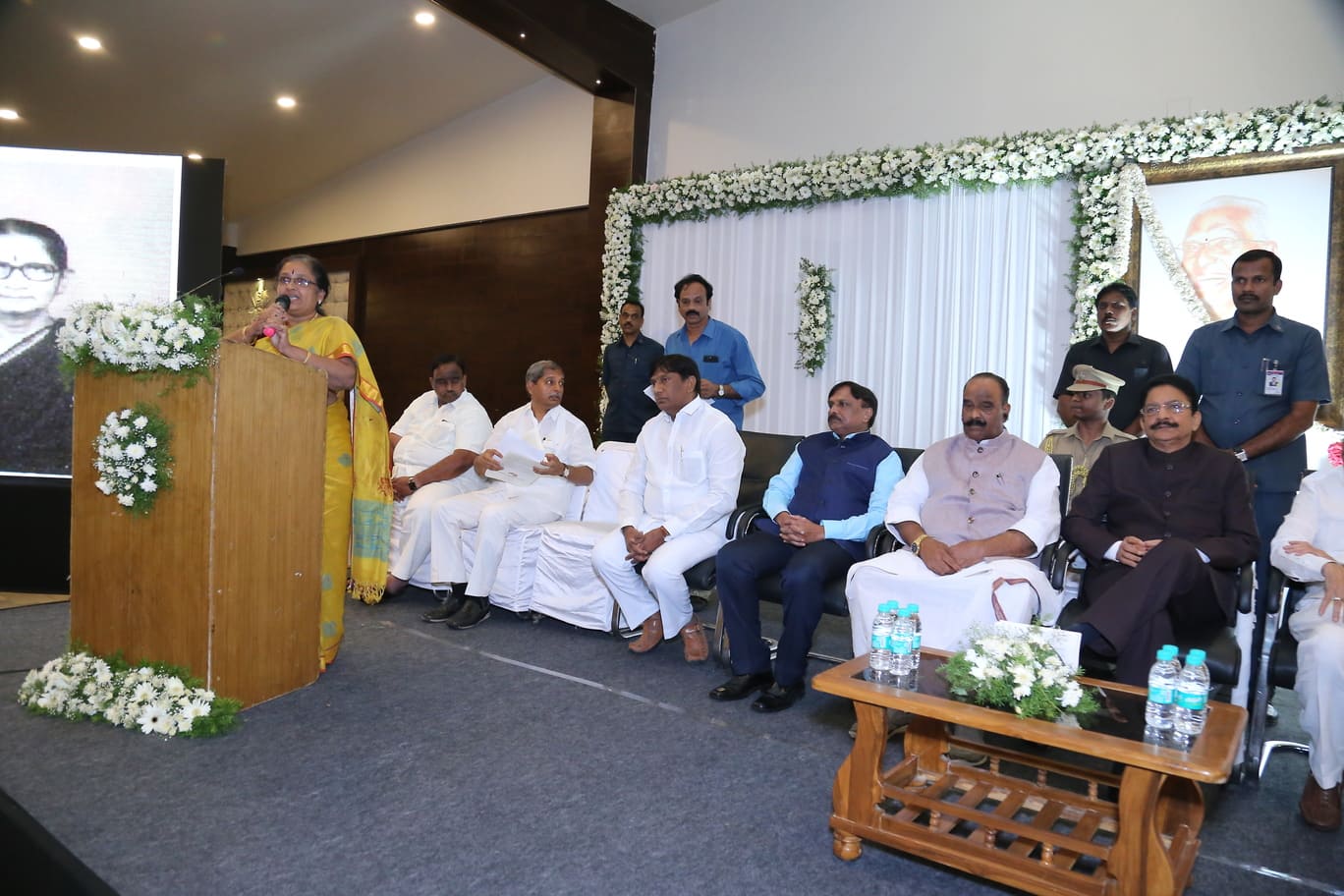
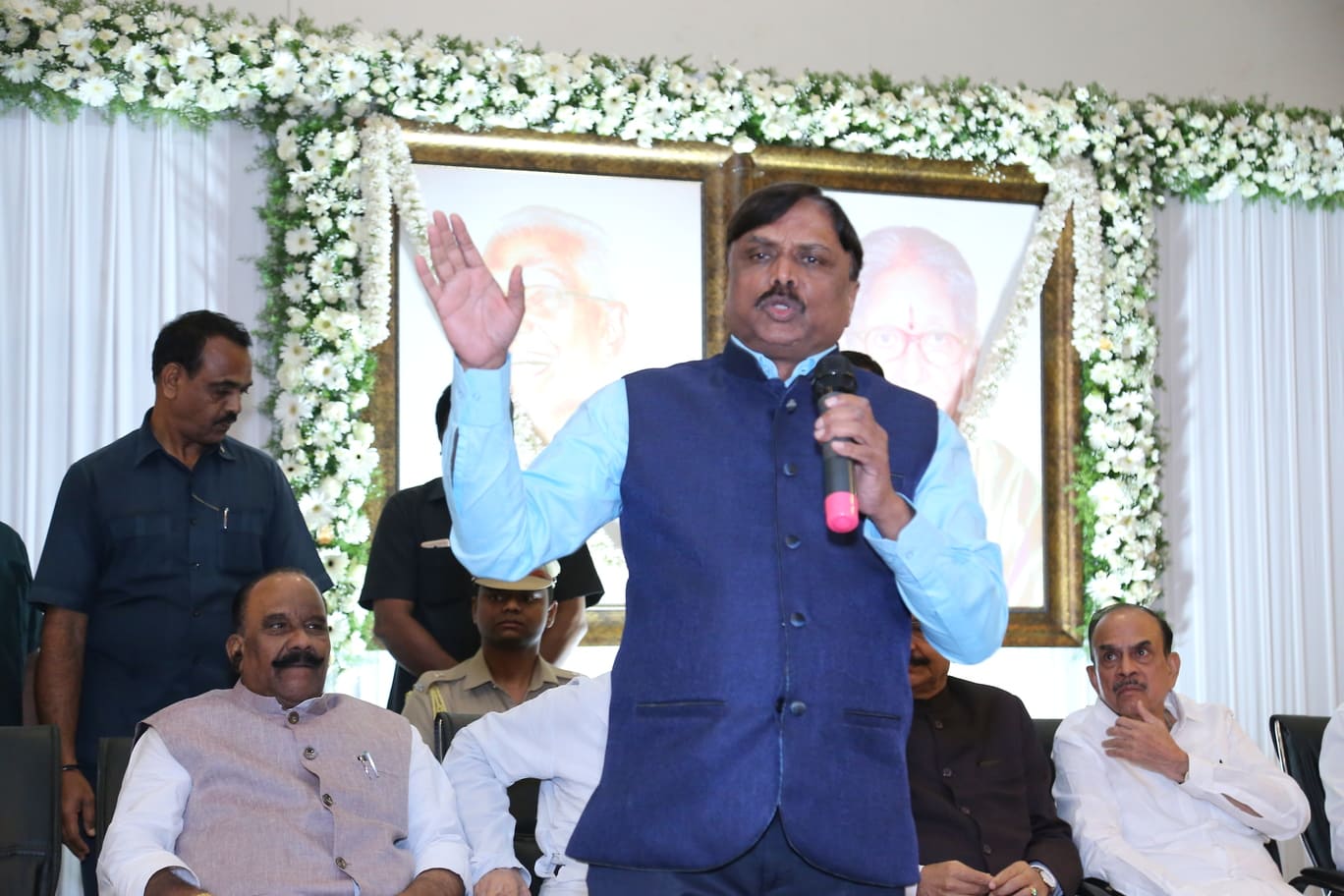
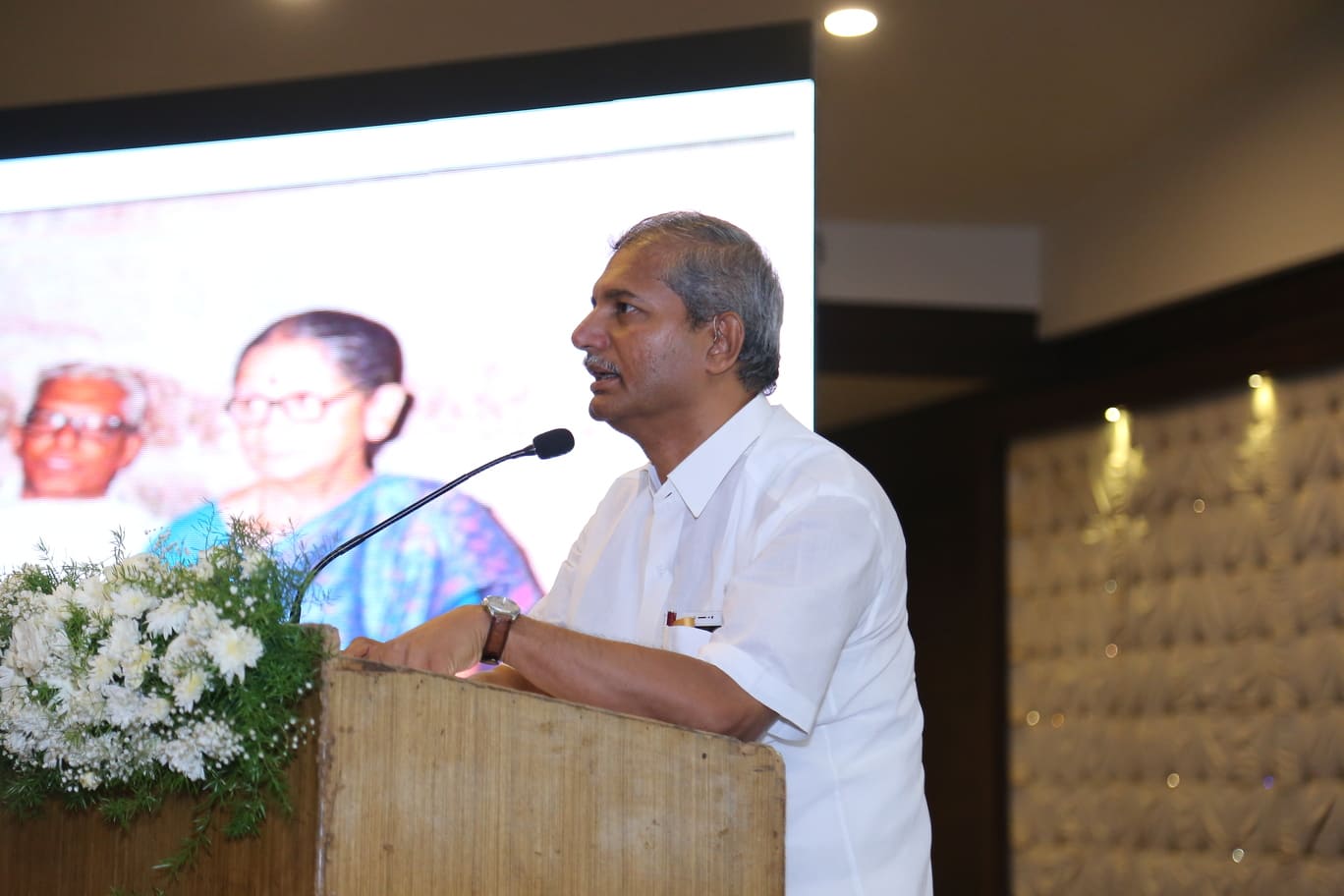
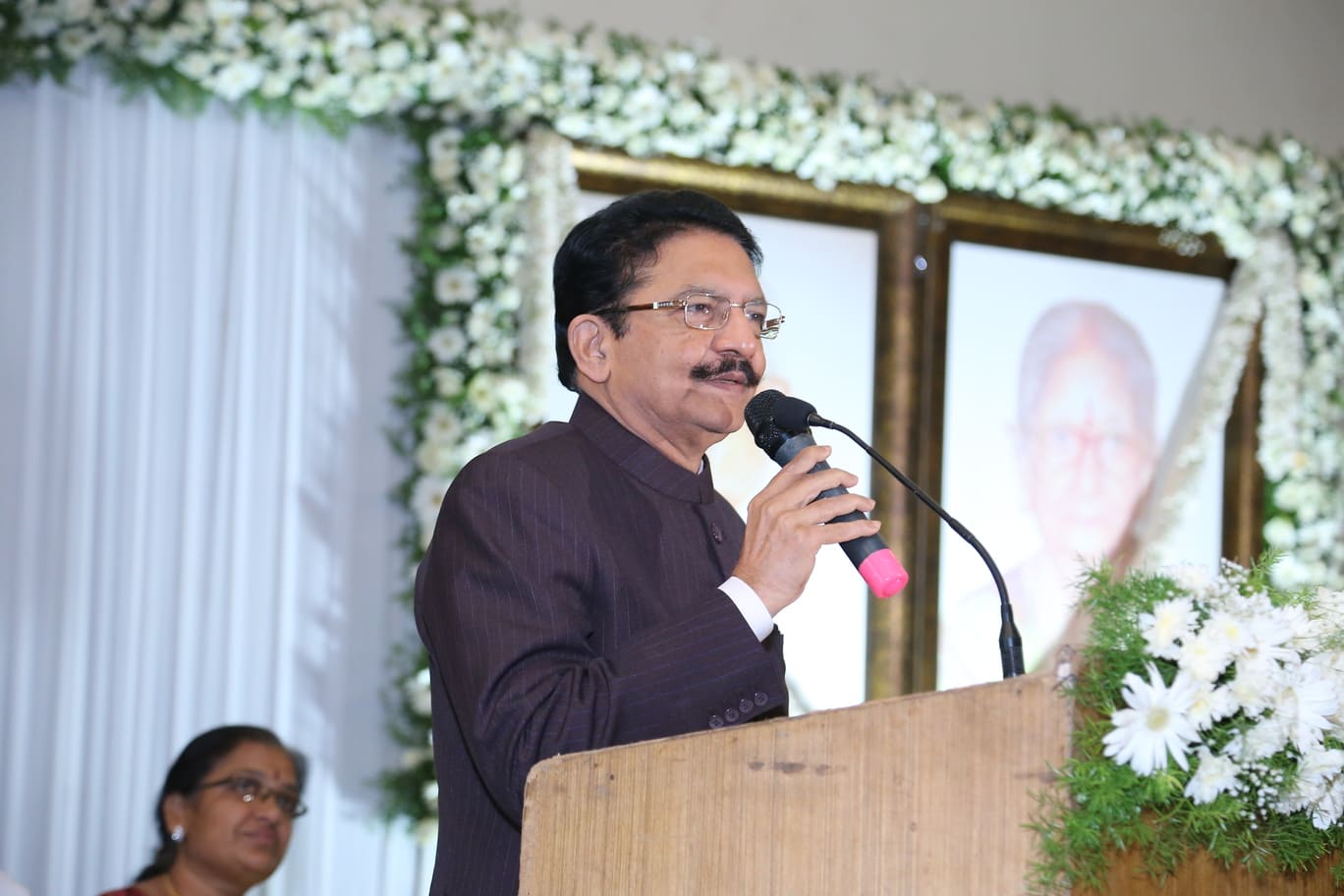
Text of the address delivered by Justice B. Sudershan Reddy, former judge of the Supreme Court of India, on the release of a commemorative postal cover in memory of Chennamaneni Rajeshwara Rao. The event was attended by Dr PVS Reddy, Chief Post Master General, and Circle, G. Sukhender Reddy, Chairman of the Telangana Legislative Council, among many others.
With the utmost humility I accepted this assignment of delivering a speech at this function for the release of a postal stamp honouring Shri Chennamaneni Rajeshwar Rao Garu. In this regard, we must express our thanks to the Union of India for choosing to honour the remarkable public life of Rajeshwar Rao Garu.
There are still admirable souls in this world, though so many persons known for their intellect and above the social media, take pride in misguide and incite even the well educated — with one distorted message after another — occasions like this jog our memories and stir the sacred cause of the people, freedom and democracy selflessly, engender hope that the battles they fought have not been futile. That a curated book of Shri Rajeshwar Rao Garu’s speeches, both in the legislature and outside it, is also being simultaneously released makes this an even more special occasion. I thank the Chennamaneni family for taking this up, and yet again re-sharing Rajeshwar Rao Garu in service of the wider project of democracy and justice for the poor that binds humanity to their inherent dignity.
Remarkable tenacity
I have often wondered about the remarkable tenacity of spirit that actuated Rajeshwar Rao Garu’s actions, even as a very young man, in the aid of our freedom struggle and for liberation of the people from the yoke of an oppressive feudal and monarchical regime. We often spoke in hushed tones about how he lived underground in the basements of Chikkadpalli and Sabzemandi, the privations he endured — with a young family without support — and yet never wavering. That he gave up his inheritance — a rather large estate — and inspired his other brothers to do the same, without ever expressing second thoughts or regrets is testimony to the steadfastness of his moral compass and as well as the dreams and goals that led to the formation of the people as a nation into the modern Indian nation state.
Throughout his life, Rajeshwar Rao Garu was an indefatigable warrior for social justice in general, and the causes he espoused included, but not limited to, farm tenant distribution for the poor, farmers and agricultural labour, and the issue of unemployment creation for the youth. His was a career marked by remarkable positive work on the ground for the constituencies he served. He was the architect and chief patron of the Cooperative Electricity Supply Society (CESS) that brought electricity to 175 villages in Sircilla. I would suggest that we need to study this model in depth so as to build in it a pushing forward an agenda of decentralization of solar electricity production — possibly a co-operative model — to create both steady revenue streams as well as local employment at the village level. Other noteworthy achievements included initiation of the MulaVagu (Nimmapalli) irrigation project to benefit dry land farmers, and promotion of education by initiating policy and fiscal commitments by the Government to upgrade schools, start new colleges including a polytechnic college and a degree college in Sircilla. He was instrumental in initiating policy changes that brought 50% subsidy to the powerloom weavers in Sircilla.
Legislator par excellence
We must also acknowledge another significant set of achievements in the legislature. He was always forthright, bringing great analytical clarity to arguments presented on a bedrock of facts that he would assiduously verify for their truth content. He did not shy away from acknowledging concerns and facts expressed by opposition legislators, even those sitting across the aisle, especially when they were helpful in giving voice to concerns of the poor. If he had to put his own party and government in the dock, he never hesitated, because for him the cause of the poor was an article of faith that he could not abandon even a bit. As I went through an advance copy of his speeches and interjections in the legislative assembly, I was astonished by how wide a range of issues he tackled, how he crafted his language to deliver the moral urgency of solving the problems of the poor, and how he never shied away from opposing views. Forget about, he did not even engage in harsh criticism, and yet again his differences crystal clear. This was because he truly believed that being decent was not for his personal gain — whether it be sure of gotten wealth or the intoxication of power. Rather, he recognized it as a sacred duty, and hence there was no scope for ill-tempered remarks and theatrics.
Most reasonable people would readily acknowledge that political discourse has significantly degenerated. Over the past few decades we have been told, and it has now become a mainstream idea, that man can only be selfish, that his nature cannot be changed, and hence pursuit of unmitigated self interest into only social value worth pursuing. Even cooperation is to be viewed only in terms of whether it reduces personal costs and / or optimizes returns, and not in terms of any larger vision of belonging to the people as a nation as a whole in which violence cannot be an option to achieve justice for the weakest.
Inspiration to struggle for constitutional goals
There cannot be any controversy that leaders such as Rajeshwar Rao Garu have become all too rare. Yet their lives, we have to necessarily hope, serve as inspiration to the people to struggle for re-strengthening the goals espoused in our Constitution. Let us remember that he began his fight for freedom and justice for the people in a pre-constitutional era when fundamental rights were not available for the people, much less guaranteed. There was no guaranteed right to freedom of movement. No right to assemble or petition the powers that be for redressal. When rulers and regimes advocate the diminution of these rights, and claim that once they are elected they should be subject to less scrutiny, we should necessarily educate the people that those who fought to found the modern nation-state did so to establish those rights and deepen the democratic experience.
Closing
In the end I end this short speech with a plea: we should take the message of the struggle of remarkable leaders such as Rajeshwar Rao to the masses — not just as hagiographic presentations but as based on thorough contextual reading of the historical and socio-political circumstances under which they waged their struggles for democracy and justice. There are many lessons for us to learn, and this becomes possible only if we are willing to learn from the past.
This is the occasion to reaffirm our faith in fundamental human rights, in the dignity and worth of the human person, and in the equal rights of men and women, and of all states, large and small, within the Indian Union. If you also think that the cherished constitutional values are in peril, defend it with all your might.
It is said, “an unexamined life is not worth living.”
I thank the Union of India for its generosity in honouring this great son of Telangana and India. The gracious presence of Hon’ble Dr PVS Reddy Garu, Chief Postmaster General, is appreciated with gratitude. I thank one and all.
Ladies and gentlemen, thank you for your forbearance. Jai Hind.
In pictures
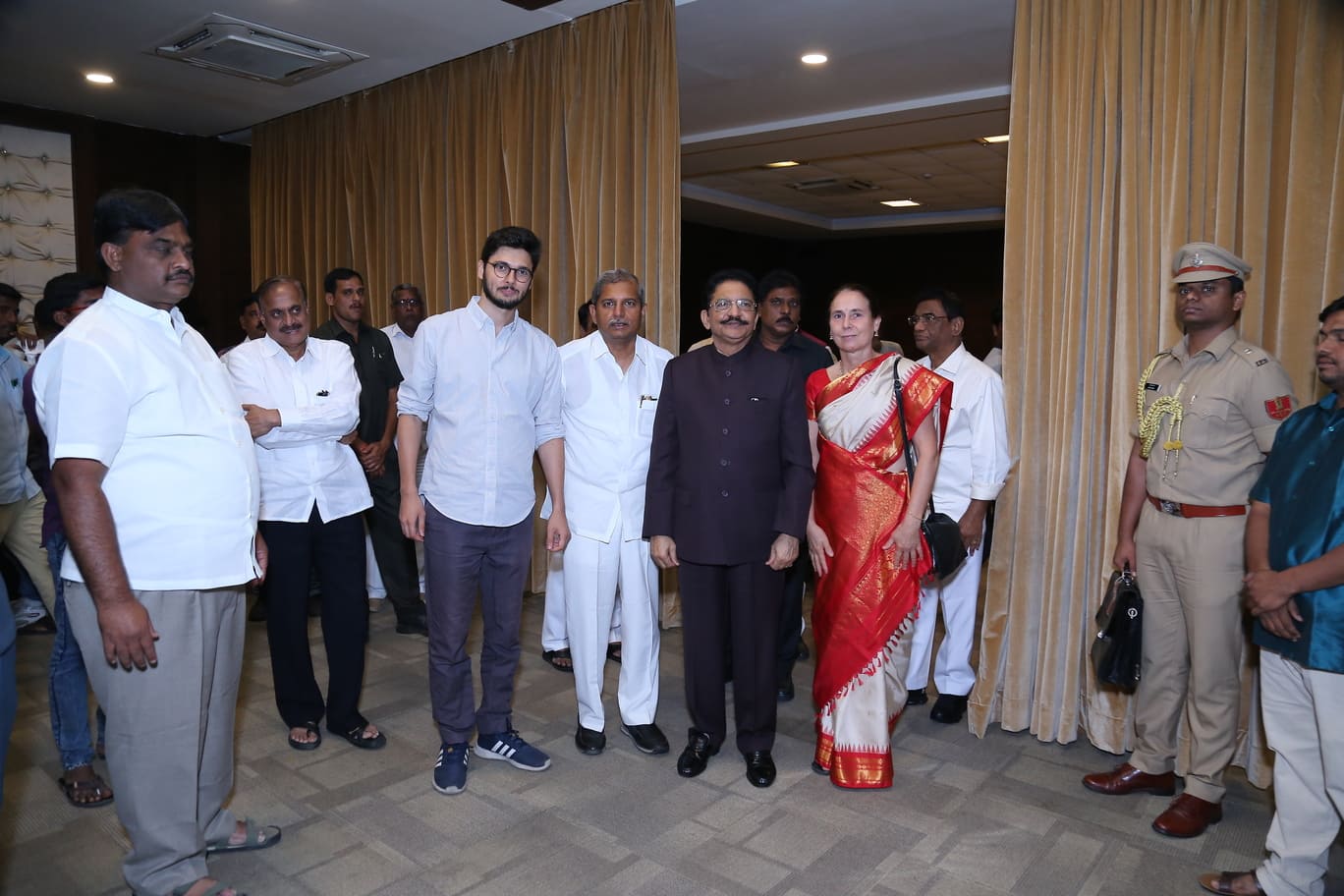
Moments from Foundation events
Our concrete mission is to organise historical education about the Telangana Freedom Struggle, and to support critical research and initiatives on innovative, sustainable policy for a more prosperous Telangana, India, and world. The Foundation also functions as a platform for debate on the pressing political and social issues of our time.